







Buttons
why choose us
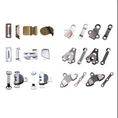
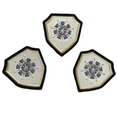
Guangzhou hongcheng textile company ltd was founded in year 2000, the factory is located in Humen Town, Dongguan City, Guangdong Province, China. It is a professional production manufacturer which integrated development, production, processing, sales and design together, It is mainly produces heat transfer labels, silicone/TPU/PVC soft rubber labels, leather patches and embroidered patches etc. and in order to expand the business, we have established another manufacturing plant in year 2006 which integrated with R&D, manufacturing, sales, specialize in manufacturing all kinds of metal button, including prong, alloy sewing snap button, spring snap button, jean button, rivet snap button, eyelet, shank button, suitcase accessories, shoes and hats accessories and so on.
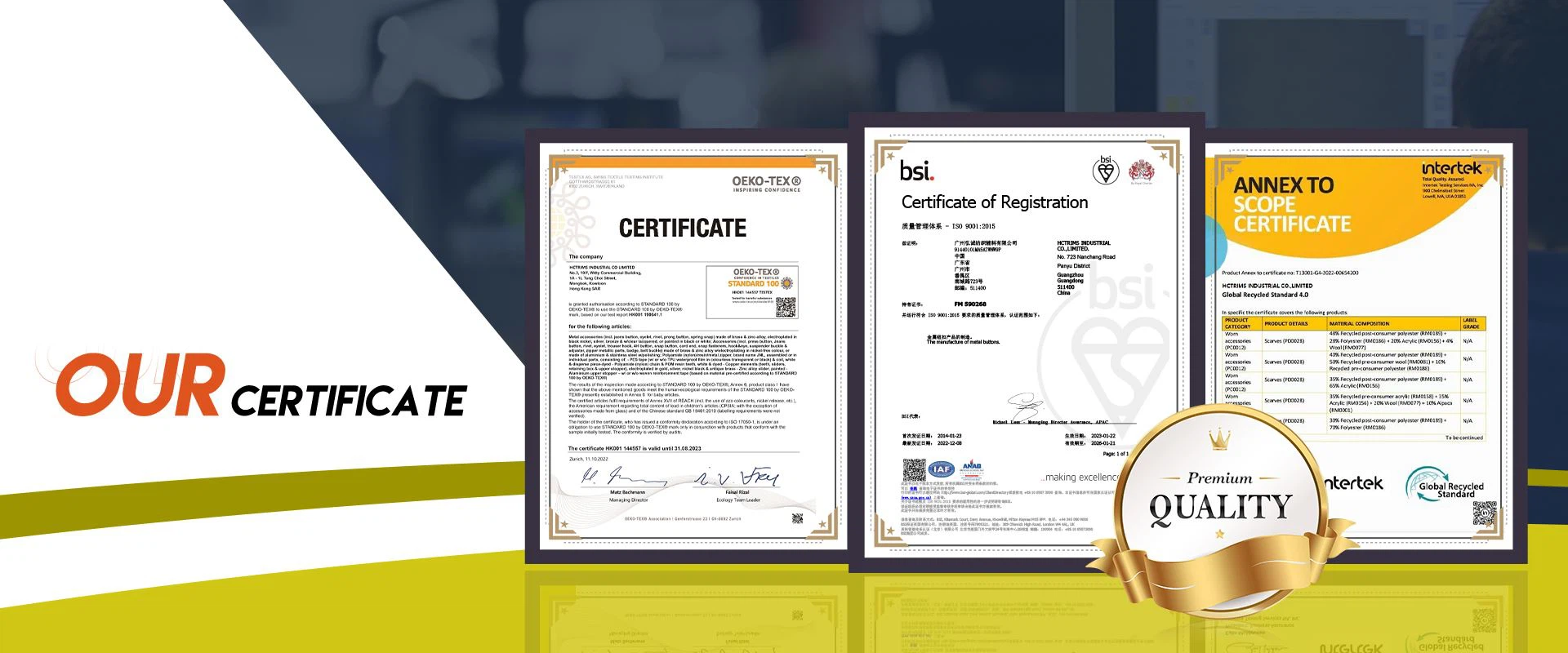
High standard quality control is always the foundation to us, we always focus on international environmentally-standards with complete and scientific quality management system and has passed the quality certification management SGS and OEKO.
The company has always adhered to the tenet of "integrity first, quality first, honest service, and dedicated to customer satisfaction". With high-quality products and good reputation, the products have been sold in nearly 30 provinces local market, as well as to Europe, the United States, South America, Japan, Southeast Asia, etc. We are committed to win-win cooperation with domestic and foreign merchants to develop together and create brilliance.
We also offers OEM/ODM service from tooling to mass production , all the process is done within our factory, we can shorten the production time greatly meanwhile keep it top quality
High Quality
With full quality control system, from the material specification, heavy metal inspect, the outlook ,structure inspect, the corrosion resistance of the product surface processing, and the color fastness test, and the function test of the samples, the systematic inspection process and equipment makes sure we are able to deliver high quality products.
Quickly Efficiency
Our factory operates on highly efficient and streamlined processes, implement lean manufacturing principles, invest in advanced equipment and automation technologies, maintain a well-organized inventory management system, implement stringent quality control measures at every stage of production to ensure product consistency.
Advanced Equipment
We have advanced equipment such as high speed punching machine, CNC machine, mirror spark machine, automatic screen machine, automatic packing machine, and we also have equipments like heavy metal detector, tension meter, X-ray for color machine, water washing testing machine, salt spray testing machine, high and low temperature constant temperature and humidity box, dry cleaning tester, enzyme washing machine, etc.
Customized Services
Our team of experts will work closely with you to understand your needs and will provide solutions that are tailored to meet your expectations. and we have more than 10 professional designers keep researching and collecting the global fashion trend in order to lead the trend, we are able to provide new design artwork as soonest as possible

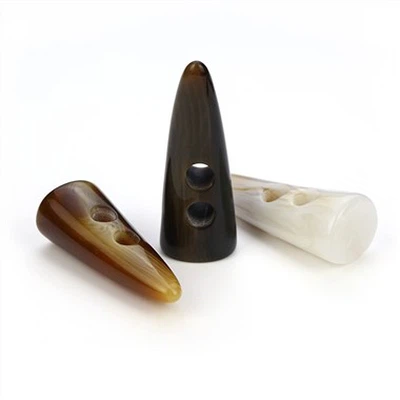


A button is a small, often round, disk-shaped object used as a fastener on clothing and accessories. It typically consists of a central hole or loop through which it is attached to a garment, allowing for the opening and closing of fabric layers. Buttons serve both functional and decorative purposes in garment design and are essential components in clothing construction. Here's a detailed explanation of buttons:
Functionality:
Buttons serve a functional role in clothing by providing a secure closure for openings such as shirt cuffs, collars, and plackets, as well as on pockets and waistbands. They allow for easy opening and closing of garments, facilitating dressing and undressing.
Materials:
Buttons are made from a variety of materials, including:
Metal: Metal buttons are durable and come in various finishes such as brass, stainless steel, and nickel.
Plastic: Plastic buttons are lightweight and available in a wide range of colors, shapes, and sizes.
Wood: Wooden buttons offer a natural and rustic look and are commonly used in casual garments.
Shell: Shell buttons are made from natural materials such as mother-of-pearl or abalone shell and offer a lustrous appearance.
Fabric-covered: Fabric-covered buttons are wrapped in fabric to match the garment and are commonly used in formal wear.
Leather: Leather buttons offer a rugged and luxurious look and are commonly used in outerwear and accessories.
Decoration:
In addition to their functional role, buttons also serve decorative purposes in garment design. They come in various shapes, sizes, colors, and finishes, allowing designers to incorporate them as decorative accents that complement the overall aesthetic of the garment.
Buttons are essential components in clothing construction, providing both functional closures and decorative embellishments that enhance the overall look and style of garments and accessories.
Buttons offer several advantages, making them popular for various applications in garment construction and design. Here are some of the key advantages of buttons:
1. Versatility: Buttons are available in a wide range of sizes, shapes, colors, and materials, offering versatility in design options. They can be seamlessly integrated into garment construction, providing both functional closures and decorative accents to enhance the overall look and style of garments.
2. Durability: Buttons are durable and resistant to wear and tear, ensuring long-lasting performance even with frequent use. Depending on the material used, such as metal, plastic, or natural materials like wood or shell, buttons can withstand the rigors of daily wear and laundering.
3. Secure Closure: Buttons provide a secure closure that holds garments in place during wear. When properly attached with stitching or a shank, buttons remain firmly in place, preventing accidental openings and ensuring that garments stay securely fastened.
4. Easy Replacement: In the event of damage or wear, buttons are relatively easy to replace. They can be removed and replaced with new buttons using simple sewing techniques, allowing for garment repairs and alterations without extensive effort.
5. Customization: Buttons can be customized to suit specific design requirements and preferences. They can be engraved, embossed, or covered with fabric to match the garment, adding a personalized touch to the clothing item.
6. Timeless Appeal: Buttons have a timeless and classic appeal that transcends fashion trends. They have been used in garment construction for centuries and continue to be a popular choice for designers and consumers alike, adding a touch of sophistication to clothing items.
7. Environmental Sustainability: Buttons made from natural materials such as wood, shell, or coconut are environmentally sustainable options. They are biodegradable and eco-friendly, making them a preferred choice for environmentally conscious consumers.
Overall, buttons offer numerous advantages, including versatility, durability, secure closure, easy replacement, customization options, timeless appeal, and environmental sustainability. They are essential components in garment construction and design, providing both functional closures and decorative embellishments that enhance the overall aesthetics of garments and accessories.
type of buttons
There are various types of buttons available, each with its own unique design, construction, and functionality. Here are some common types of buttons:

Sewing Buttons:
Sewing buttons are the most common type of button and are attached to fabric using a needle and thread. They typically have two or four sewing holes and come in various shapes and sizes.
Shank Buttons:
Shank buttons have a protruding loop or shank on the back through which they are sewn onto fabric, creating a raised appearance. They are commonly used in heavier fabrics or garments where a raised button is desired.


Flat Buttons:
Flat buttons have a flat back and are typically attached directly to fabric without a shank. They are often used in lightweight fabrics or garments where a flat button is preferred for a sleek appearance.
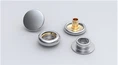
Snap Buttons:
Snap buttons consist of two interlocking components that snap together to fasten clothing layers. They provide a convenient and secure closure and are commonly used in casual wear and children's clothing.


Toggle Buttons:
Toggle buttons have a loop or bar closure mechanism and are commonly used in outerwear such as coats, jackets, and duffle coats. They provide a rustic or outdoorsy look and are often made of wood, bone, horn, or plastic.
Fabric-Covered Buttons:
Fabric-covered buttons are wrapped in fabric to match the garment and are commonly used in formal wear such as blouses, dresses, and jackets. They offer a seamless and polished appearance


Plastic Buttons:
Plastic buttons are lightweight, versatile, and available in a wide range of colors, shapes, and sizes. They are commonly used in casual and everyday wear garments such as shirts, blouses, dresses, and children's clothing.
Wooden Buttons:
Wooden buttons offer a natural and rustic look and are commonly used in casual garments such as shirts, cardigans, and accessories. They add warmth and texture to garments and are environmentally friendly options.

These are just a few common types of buttons, and there are many other variations available to suit different applications and design preferences. Buttons play a crucial role in garment construction and design, providing both functional closures and decorative embellishments that enhance the overall look and style of clothing.
Buttons have a wide range of applications in garment construction and design, as well as in various other industries. Here are some common applications of buttons:
1. Clothing: Buttons are extensively used in clothing for both functional and decorative purposes. They serve as closures for shirt cuffs, collars, plackets, and pockets, as well as for waistbands, jackets, coats, and dresses. Buttons provide a secure and convenient fastening method, allowing for easy dressing and undressing of garments.
2. Accessories: Buttons are also used in various accessories such as bags, purses, wallets, hats, and shoes. They serve as closures for pockets, flaps, and straps, as well as decorative accents that add style and personality to accessories. Buttons can be used to embellish bags, create buttoned-up wallets, or add a touch of charm to hats and shoes.
3. Home Furnishings: Buttons are used in home furnishings such as cushions, pillows, curtains, and upholstery. They serve as closures for removable covers, cushion pads, and curtain tie-backs, as well as decorative accents that enhance the appearance of home decor. Buttons can be used to create tufted cushions, buttoned-up pillows, or embellished curtains.
4. Automotive: Buttons are used in automotive applications for upholstery, seat covers, convertible tops, and interior trim. They serve as closures for removable panels, covers, and accessories, as well as decorative accents that add a touch of style to vehicle interiors. Buttons can be used to create buttoned-up seat covers, embellished dashboards, or decorative trim accents.
5. Crafts and DIY Projects: Buttons are popular for use in crafts and DIY projects such as scrapbooking, card making, jewelry making, and sewing projects. They serve as decorative embellishments that add interest and texture to craft projects, as well as functional closures for fabric-based projects. Buttons can be used to create buttoned-up scrapbook pages, embellished greeting cards, or unique jewelry pieces.
6. Medical and Healthcare: Buttons are used in medical and healthcare applications for patient gowns, scrubs, lab coats, and other garments. They serve as closures for easy dressing and undressing, as well as decorative accents that add style and professionalism to medical uniforms. Buttons can be used to create buttoned-up scrub tops, embellished lab coats, or personalized identification badges.
Overall, buttons are versatile fastening solutions that are used in a wide range of applications across various industries. They provide both functional closures and decorative embellishments that enhance the appearance and functionality of garments, accessories, home furnishings, automotive products, crafts, and medical uniforms.
Our Partners
Hongcheng Label with a good reputation,excellent quality and sound after-sales service to win the world praise,in many domestic and foreign enterprises shine!


FAQ

01.How do I attach buttons to fabric?
02.What size button should I use?
03.How do I choose the right type of button for my project?
Consider the fabric, style, and purpose of your project when choosing buttons. For example, metal or plastic buttons are suitable for casual wear, while fabric-covered buttons are ideal for formal wear. Shank buttons are used for thicker fabrics, while flat buttons are used for thinner fabrics.
04.Can buttons be machine washed?
05.Can I replace a button if it falls off?
06.Are buttons environmentally friendly?
These are some common questions about buttons, and there may be additional inquiries depending on specific needs and projects.
As one of the most professional buttons manufacturers and suppliers in China, we're featured by quality products and low price. Please rest assured to wholesale cheap buttons made in China here from our factory. Also, customized service is available.
Fabric Covered Buttons, Pearl Button for Shirts, Plastic Sewing Shank Button for Garments