




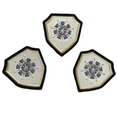
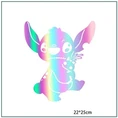




Thermoplastic polyurethane (TPU) heat transfer labels are a highly durable and versatile option for garment decoration. These labels have a distinct appearance and texture, making them an excellent choice for branding, personalizing, or adding a unique touch to clothing and accessories. In this article, we will explore the benefits and applications of TPU heat transfer labels, as well as the production process and techniques used to create them.
One of the primary advantages of TPU heat transfer labels is their durability. TPU is a highly resistant material that can withstand frequent washings, exposure to heat and moisture, and general wear and tear. This makes TPU labels a great choice for clothing and accessories that will be subject to heavy use or frequent laundering. Additionally, TPU heat transfer labels are resistant to fading, cracking, and peeling, which ensures that they will maintain their appearance and readability over time.
Another benefit of TPU heat transfer labels is their versatility. These labels can be produced in a wide range of colors, shapes, and sizes, making them an ideal choice for branding, personalizing, or adding a unique touch to clothing and accessories. TPU labels can be customized with logos, text, or designs to create a distinct and memorable look.
The production process for TPU heat transfer labels involves heating a thermoplastic polyurethane film and applying it to the garment using a heat press. The heat and pressure from the press activate the adhesive on the film, causing it to adhere to the fabric. The result is a label that is both durable and flexible, conforming to the shape of the garment.
There are several techniques used to create TPU heat transfer labels, depending on the desired effect and application. One common technique is to use a digital printing process, which allows for high-quality and detailed designs to be printed directly onto the TPU film. Another technique is to use a hot stamping process, in which a metallic foil is applied to the TPU film to create a shiny, reflective effect.
One of the unique characteristics of TPU heat transfer labels is their texture. TPU labels have a soft and rubbery feel to them, making them distinct from other types of labels. This texture can add a unique tactile dimension to clothing and accessories, enhancing their overall design and appeal.
TPU heat transfer labels can be used in a wide range of applications, from branding and marketing to personalizing and customizing clothing and accessories. Companies can use TPU labels to create branded merchandise that features their logo or other brand elements. Clothing manufacturers can use TPU labels to add a distinctive touch to their garments, such as a small logo or a custom design. Consumers can even use TPU labels to personalize their own clothing or accessories, such as adding a name or monogram to a backpack or purse.
In addition to their use in garment decoration, TPU heat transfer labels are also finding applications in other industries, such as sports equipment and medical devices. For example, TPU labels can be used to label sports equipment, such as helmets or pads, or to add a custom touch to medical devices, such as braces or splints. The durability and resistance to wear and tear of TPU labels make them an ideal choice for these types of applications.
In conclusion, TPU heat transfer labels are a versatile and durable solution for garment decoration and branding. Their distinct texture, durability, and versatility make them a popular choice for fashion designers, clothing manufacturers, and consumers alike. With a variety of production techniques available, as well as a wide range of applications, TPU heat transfer labels are sure to continue to play an important role in the fashion and other industries for years to come.