




Knowledge
-
27
Jun
Why can the anti cursor reflect lightReflective materials can be seen everywhere in daily life, such as reflective cloth, reflective lattice, reflective webbing, etc.
Read More -
26
Jun
The difference between bronzing and heat transfer printingHot stamping, commonly known as "bronzing", refers to stamping the text and patterns of materials such as colored foil on the first or fourth cover of the hardcover book cover and the back of the book
Read More -

25
Jun
What is flocking printingIn order to carry out various printing on flocking cloth, we must have a comprehensive understanding of the structure and performance of flocking cloth.
Read More -
24
Jun
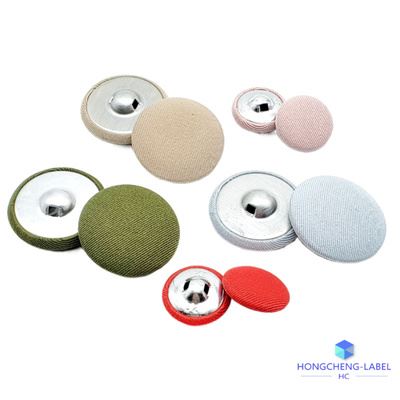
Fabric Covered ButtonsChinese alias of fabric covered button: fabric button, fabric covered button, fabric covered button, fabric covered button, fabric covered button, etc.
Read More -
23
Jun
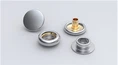
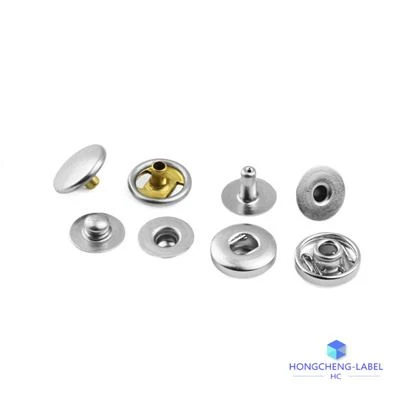
Spring SnapsTS four button is a kind of button, commonly known as button, spring button and sewing button.
Read More -
22
Jun
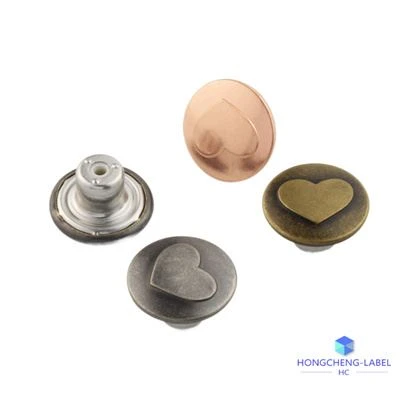
Tack Jeans ButtonThe denim buckle is composed of the upper button (part a) and the lower nail (Part B), and the two parts are combined by punching. Because the combined shape is slightly like the Chinese word "Gong",
Read More -
21
Jun
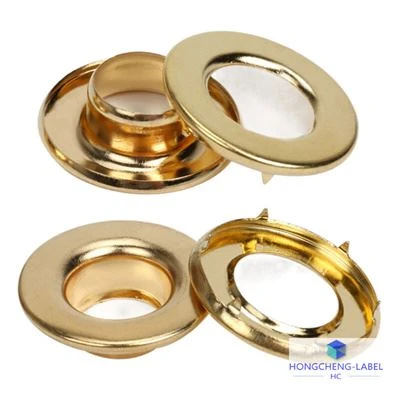
Metal GrommetsCorns, also known as steam eyes and shoe eyes, are round in shape with a large area of holes in the middle, which plays the role of ventilation or threading.
Read More -
20
Jun
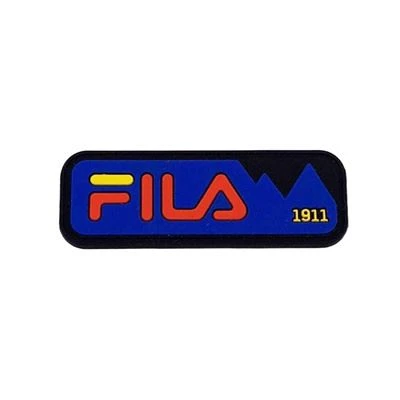
Characteristics of silica labelsEnvironmental protection. It can be overprinted. There is no delamination during chromatic printing. Various effects can be printed. Bright / matte, right angle / rounded corner.
Read More -

19
Jun
Application of silica labels trademarkSilicone trademark can be made in various logo patterns, and can be used for knitwear, cotton fabric, lycra elastic fabric and fiber fabric made of PU, as well as control devices, heating devices and
Read More -

17
Jun
What is TPUTPU is a thermoplastic polyurethane elastomer, also known as thermoplastic polyurethane rubber. It is a kind of elastomer that can be plasticized by heating and dissolved by solvent.
Read More